
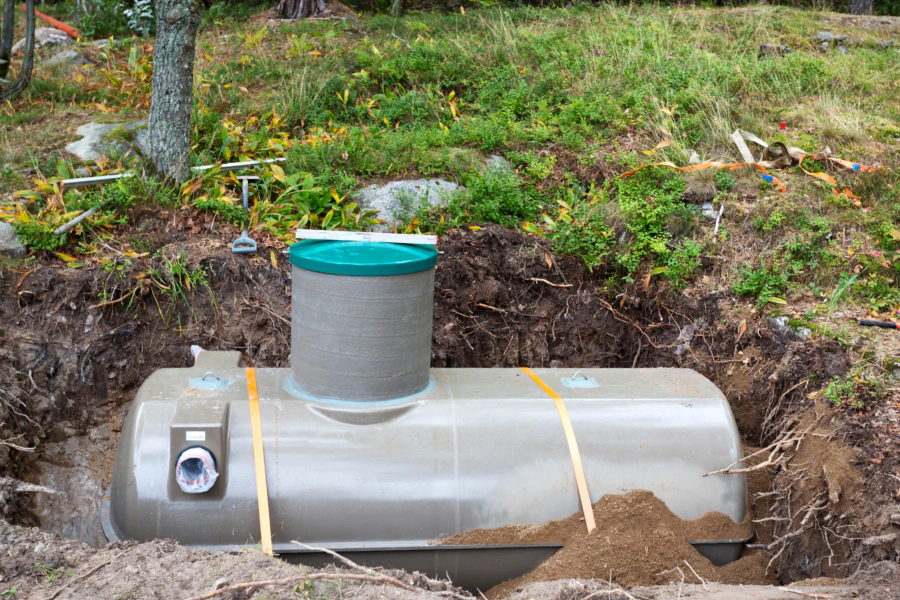
Understanding Your Septic System
A septic system typically consists of three main components:
- Septic Tank: A buried tank where solids settle and liquids flow into a drain field.
- Drain Field (Leach Field): Underground pipes that disperse treated wastewater into the soil.
- Soil: Acts as a natural filter, removing harmful bacteria and nutrients before water re-enters the groundwater system.
Regular maintenance of a septic system ensures that these components function efficiently. Ignoring basic upkeep can overload the system, causing clogs, backups, and even complete failure. Knowing what maintenance is required for a septic system is critical for every property owner.
Common Tasks in Septic System Maintenance
Maintaining a septic system involves several routine tasks designed to prevent system failure and extend its lifespan. Here are the key steps:
- Regular Pumping
One of the most important aspects of septic system maintenance is pumping the tank every 3–5 years, depending on household size and tank capacity. Pumping removes solids and sludge that accumulate at the bottom of the tank. Without regular pumping, these solids can overflow into the drain field, leading to clogs and expensive repairs.
- Inspections
Annual inspections by a licensed professional help identify early signs of trouble, such as leaks, cracks, or abnormal sludge levels. These checks allow for timely interventions before small problems escalate into major issues.
- Proper Waste Disposal
Being mindful of what enters your septic system is another critical maintenance step. Avoid flushing items like diapers, wipes, grease, or harsh chemicals. These materials can damage the system, slow bacterial activity, and cause blockages.
- Drain Field Care
Keep the drain field free from heavy vehicles, structures, or deep-rooted trees. These can compact the soil or damage underground pipes. Also, ensure proper drainage around the field to prevent water pooling, which can overload the system.
- Water Conservation
Excessive water usage can strain the septic system. Fix leaky faucets, install low-flow fixtures, and spread out laundry loads to reduce pressure on the tank and drain field. Conserving water helps maintain system balance and prevents premature failure.
How Property Owners Can Save Money on Septic System Maintenance
Preventative care is the key to saving money. Here’s how property owners can reduce expenses while maintaining system efficiency:
- Schedule Routine Pumping: Avoid emergency repairs by pumping the tank on schedule.
- Monitor Waste Inputs: Properly dispose of waste to prevent clogs and chemical damage.
- Inspections: Early detection of problems often costs far less than major repairs or full replacement.
- Educate Household Members: Everyone should understand what can and cannot be flushed or poured down drains.
- Protect the Drain Field: Avoid parking vehicles or planting trees above the drain field to prevent costly structural damage.
By following these practices, property owners can enjoy a longer-lasting, efficient septic system while reducing the risk of expensive repairs.
Common Signs of Septic System Issues
Even with regular maintenance, it’s important to recognize warning signs that may indicate trouble:
- Slow-draining sinks, showers, and toilets
- Sewage odors in the home or yard
- Standing water or soggy areas near the drain field
- Sewage backups in the home
- Unusual algae growth in nearby ponds or streams
If any of these symptoms appear, contact a professional immediately. Prompt action can prevent more extensive damage and costly repairs.
Conclusion
Understanding what maintenance a septic system needs is vital for every property owner. Routine pumping, inspections, responsible waste disposal, drain field care, and water conservation are all essential steps in maintaining a healthy system. By staying proactive and addressing small issues early, homeowners can prevent system failure and save significant money in the long term.
Proper septic system maintenance not only protects your property but also safeguards the environment and ensures the system operates efficiently for years to come. Taking the time to implement these practices is a small investment that provides long-term benefits.
