
Site Evaluation and System Design
Installing a septic system in New Caney requires careful planning and precise execution to ensure long-term performance. The process begins with a thorough site and soil analysis to determine the optimal location and system type for your property. Texas soil conditions vary significantly across Montgomery County, and our team conducts percolation tests to measure how quickly water drains through the soil layers.
Once we complete the site evaluation, we design a customized system that meets your household or business needs while complying with Texas Commission on Environmental Quality (TCEQ) regulations. Our design and permitting services ensure that every installation adheres to county codes and environmental standards. We handle all paperwork and coordinate with local authorities to secure the necessary permits before breaking ground.
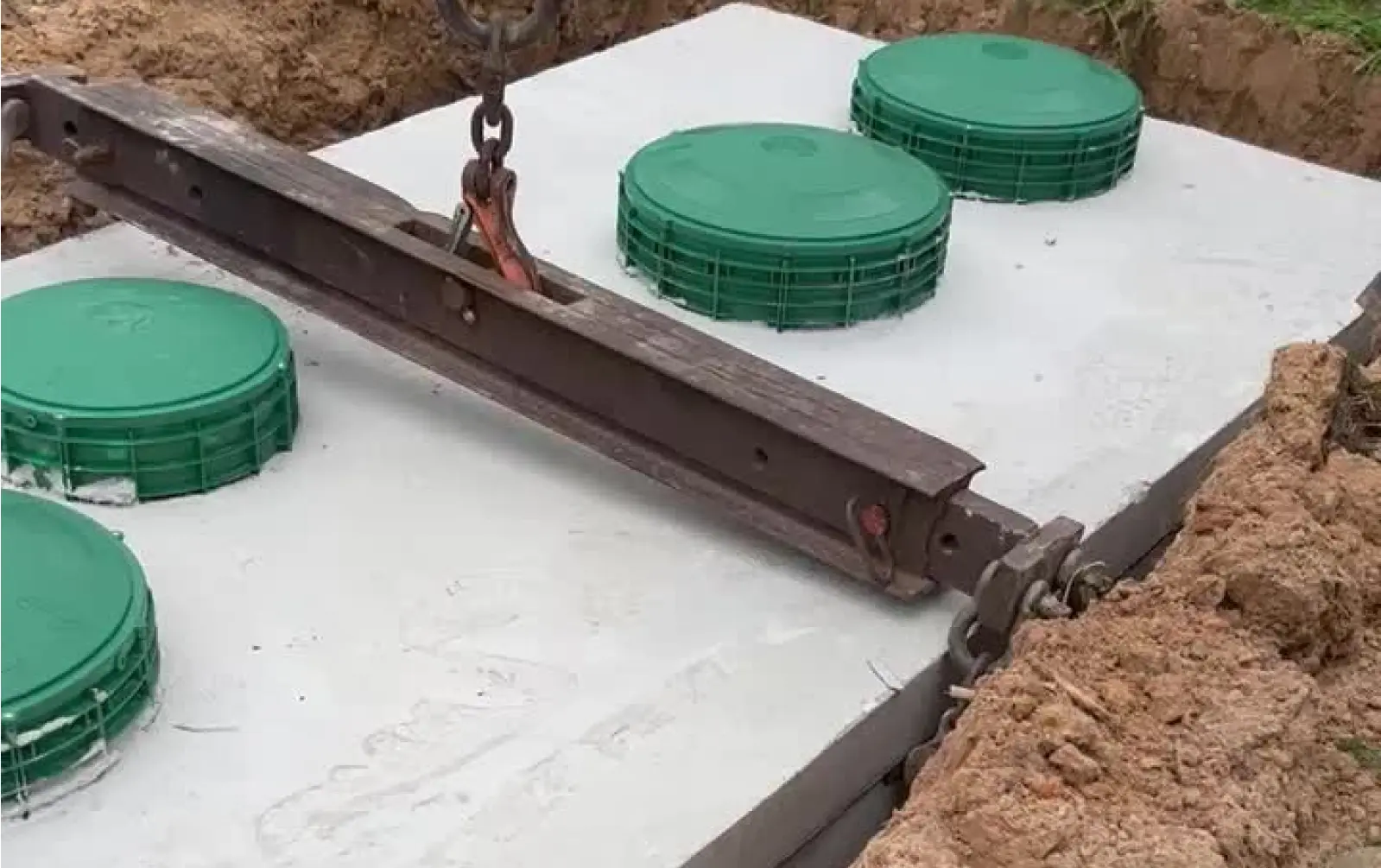
The installation phase involves excavating the drain field area, positioning the septic tank, and connecting all components according to the approved design. We use professional trenching equipment to create precise pathways for drain lines and ensure proper slope for gravity flow. Each connection is tested for integrity, and the system undergoes a final inspection before we restore your landscape. This methodical approach prevents future issues and guarantees a wastewater treatment solution that performs reliably for decades.
Comparing Conventional and Aerobic Options
Property owners in this region face an important decision when selecting between conventional septic systems and aerobic treatment units. Conventional systems rely on anaerobic bacteria to break down waste in the septic tank before distributing treated effluent through a drain field. These systems work well on properties with adequate lot size and favorable soil conditions, making them a cost-effective choice for many residential applications.
Aerobic septic systems introduce oxygen into the treatment process, which accelerates the breakdown of organic matter and produces cleaner effluent. These advanced systems are often required on properties with poor soil drainage, limited space, or locations near water sources. New Caney’s clay-heavy soil in certain areas can restrict drainage, making aerobic systems a practical solution that meets environmental protection standards while fitting within tighter lot constraints.
Chamber systems offer another alternative, using a series of interlocking chambers instead of traditional gravel drain fields. This design reduces installation time and material costs while providing effective wastewater dispersal. During our consultation, we evaluate your property characteristics, budget considerations, and long-term maintenance preferences to recommend the system type that delivers the best performance for your specific situation.
Navigating Local Requirements
Every installation in Montgomery County requires proper permitting to ensure compliance with state and local regulations. The permitting process begins with submitting detailed site plans, soil evaluation reports, and system specifications to the appropriate authorities. Texas maintains strict guidelines for septic installations to protect groundwater quality and public health, and navigating these requirements demands familiarity with current codes.
Our team manages the entire permitting process from initial application through final approval. We prepare all technical documentation, including scaled drawings that show tank placement, drain field layout, and setback distances from property lines, wells, and surface water. This documentation must demonstrate that the proposed system meets minimum separation requirements and will function properly given the site’s topography and soil characteristics.
Code compliance consultation is included with every installation project we undertake. Regulations can change, and inspectors expect installations to meet the most current standards. We stay informed about updates to TCEQ rules and Montgomery County ordinances to ensure your system passes all inspections on the first attempt. This attention to regulatory detail protects your investment and prevents costly modifications after installation begins.
What Determines Your Project Investment
The total investment for a new installation depends on several variables unique to each property. System type represents the primary cost factor, with conventional systems typically requiring a lower initial investment than aerobic treatment units. However, aerobic systems may be the only viable option on challenging properties, making the comparison less about preference and more about site requirements.
Soil conditions directly impact excavation complexity and material needs. Properties with stable, sandy loam allow for straightforward trenching and drain field construction. Clay soils or high water tables require additional engineering solutions such as mounded drain fields or specialized distribution systems. Our soil evaluation identifies these conditions early, allowing us to provide accurate estimates before committing to a design.
Property size and accessibility also influence installation expenses. Large properties with ample space for equipment operation and material staging typically incur lower labor costs than confined lots requiring hand excavation or special equipment access. Distance from the home to the optimal drain field location affects the length of distribution lines needed. We conduct a thorough site assessment during the free estimate process to account for all factors that affect your project cost, ensuring transparency from the beginning.
Local Knowledge and Proven Results
A properly installed system represents a decades-long investment in your property’s functionality and value. Poor installation practices lead to premature system failure, costly repairs, and potential environmental violations. Our family-run team brings years of combined construction and septic experience to every project, applying proven techniques that ensure lasting performance.
New Caney’s climate presents specific challenges for wastewater systems. Heavy rainfall during spring months can saturate drain fields, while summer heat accelerates bacterial activity in treatment tanks. Experienced installers account for these seasonal patterns when positioning components and sizing systems. We design installations that handle peak loading during wet periods while maintaining treatment efficiency year-round.
Working with a local provider offers distinct advantages for installation projects. We understand Montgomery County’s permitting procedures, maintain relationships with inspectors, and know which system configurations perform best in this area’s soil types. Our team handles everything from the initial design consultation through final inspection and system startup. When you need reliable septic system installation in New Caney, our proven track record and local knowledge deliver results that protect your property and investment. Contact us for a free estimate and discover how proper planning and skilled execution create wastewater solutions that perform flawlessly for years to come.
